
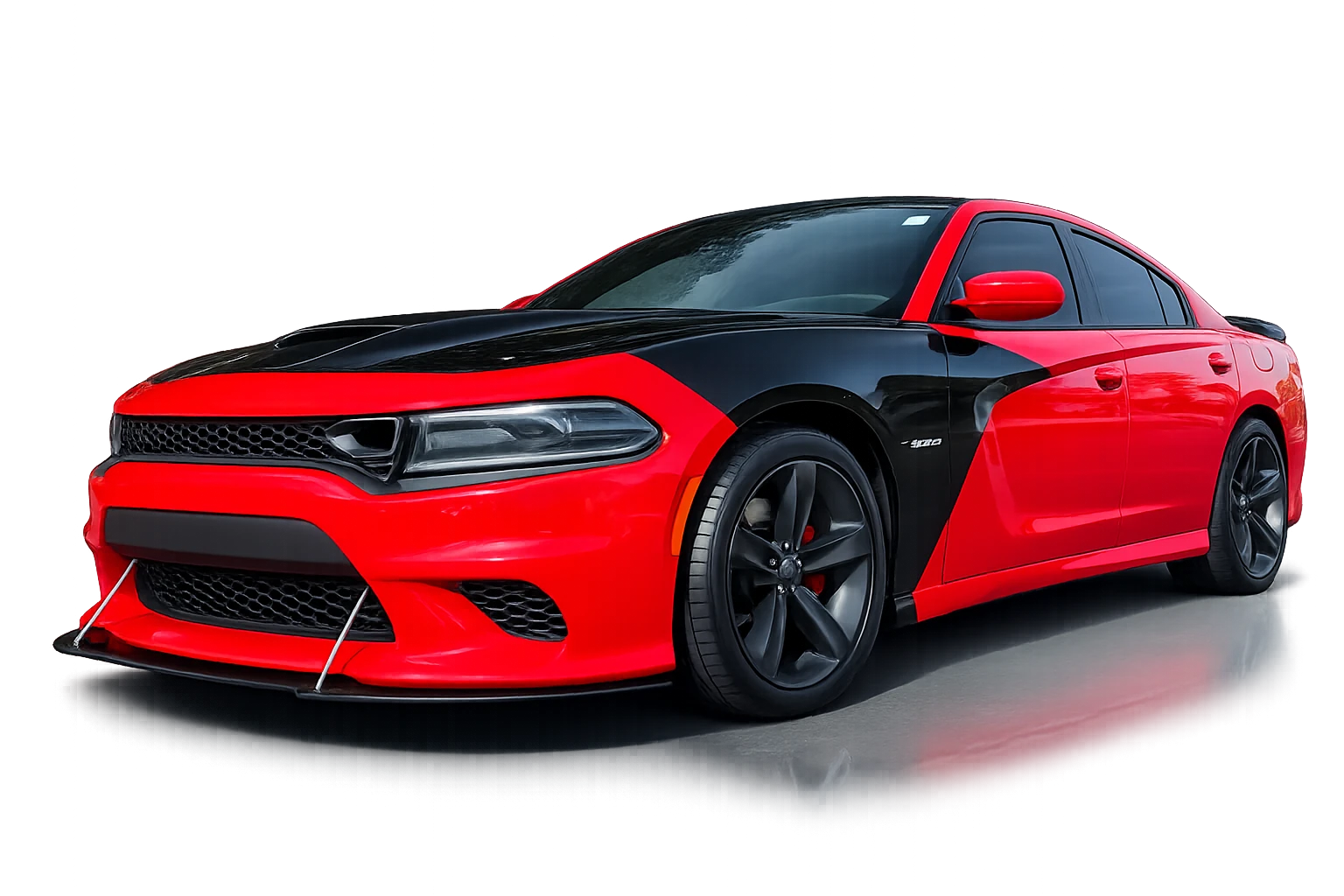
The used car dealership market in Tampa, Florida is one of the most competitive and structurally complex automotive markets in the United States. High population growth, sustained in-migration, strong rental and fleet turnover, port-driven logistics, and year-round demand create constant inventory churn. At the same time, aggressive digital advertising, third-party marketplaces, tightening credit conditions, and regulatory scrutiny compress margins and punish operational inefficiency.
This article is written to rank for the keyword used car dealership in Tampa FL while simultaneously serving as a definitive reference on how the Tampa used car market actually functions. It avoids consumer marketing language and instead explains mechanics, constraints, and decision drivers with precision.
Tampa Used Car Market Fundamentals
Geographic and Economic Drivers
Tampa functions as the core node of a multi-county automotive demand zone encompassing Hillsborough, Pinellas, Pasco, and Polk counties. This region operates as a single economic and transportation ecosystem rather than four independent markets. Commuting patterns, housing affordability gradients, and employment dispersion cause vehicle demand to spill across county lines daily.
Hillsborough County anchors the market with Tampa proper, Brandon, Riverview, and Plant City. These areas combine dense population clusters with employment centers that require daily vehicle use. Pinellas County contributes a high concentration of retirees, service workers, and tourism-driven employment, creating consistent demand for reliable, lower-mileage used vehicles. Pasco County absorbs outward population growth from Tampa, producing demand for affordable transportation among younger families and first-time buyers. Polk County functions as a logistics and distribution corridor, reinforcing demand for trucks, SUVs, and work vehicles.
The combined population exceeds three million residents, and growth is not organic alone. Tampa experiences sustained net migration from the Northeast and Midwest. These inbound populations arrive with different vehicle ownership expectations, often downsizing from urban transit systems into car-dependent environments. This migration produces immediate used vehicle demand rather than delayed purchasing behavior.
Employment in the Tampa metro area is diversified across service industries, healthcare systems, defense contractors, port logistics, warehousing, and tourism infrastructure. This diversity stabilizes vehicle demand across economic cycles. When one sector contracts, others absorb labor. Used vehicle demand does not collapse in localized recessions because employment risk is distributed rather than concentrated.
Suburban sprawl is a structural feature of the Tampa region. Residential development prioritizes horizontal expansion over vertical density. Retail, healthcare, education, and employment centers are spatially separated. Public transit coverage exists but does not function as a practical substitute for personal vehicle ownership. Bus routes are slow, fragmented, and poorly aligned with suburban commuting patterns. Rail infrastructure does not penetrate the residential zones where population growth occurs.

As a result, vehicle ownership is not discretionary. It is mandatory. This structural dependency insulates used car demand from short-term macroeconomic volatility. Even during periods of inflation, interest rate pressure, or credit tightening, consumers in Tampa adjust downward in price and vehicle class rather than exit the market entirely.
Used vehicles function as a necessity purchase, not a luxury purchase. This distinction matters. Necessity markets compress margins but sustain volume. Tampa is a volume-driven used car market.
Climate Impact on Vehicle Demand
Florida’s climate imposes unique effects on used vehicle supply, valuation, and depreciation that materially differ from northern markets. These effects shape both inventory acquisition strategy and resale performance.
The absence of road salt exposure significantly extends the usable lifespan of vehicle frames, suspension components, and undercarriage systems. Rust-related failures common in northern states are rare in Florida vehicles. This increases the pool of mechanically viable high-mileage units and supports longer resale cycles. Vehicles that would be wholesale-only in other states often remain retail-eligible in Tampa.
This mechanical advantage increases competition for clean Florida inventory at auction and in private acquisitions. Dealers outside the state actively seek Florida vehicles for resale in salt-exposed markets, driving up acquisition costs locally. Tampa dealers operate in a seller’s climate, not a buyer’s climate, for clean-history vehicles.
However, the same climate introduces opposing degradation forces. Prolonged sun exposure accelerates paint oxidation, clear coat failure, dashboard cracking, seat material breakdown, and interior fading. Heat cycles strain electrical components, infotainment systems, and climate control systems. Air conditioning performance is not optional in Tampa. It is a purchase gatekeeper. Vehicles with marginal AC performance fail immediately at retail.
These factors shift reconditioning priorities. Cosmetic imperfections that would be tolerated in colder climates suppress buyer confidence in Tampa. Interior condition carries disproportionate weight relative to mileage or model year. Dealers who misallocate recon budgets toward mechanical perfection while neglecting interior usability misread buyer priorities.
Flood risk represents the most significant climate-related valuation variable. Tampa’s proximity to the Gulf, low-lying development patterns, and seasonal storm exposure introduce persistent flood exposure. Even vehicles with clean titles may have experienced water intrusion. This elevates inspection requirements and disclosure liability.
Flood-damaged vehicles carry permanent valuation penalties and legal risk. Disclosure failures result in regulatory enforcement, civil liability, and irreversible reputational damage. Tampa buyers are increasingly aware of flood history risks and actively scrutinize vehicle history reports. A single disclosure failure contaminates trust across an entire inventory set.
Conversely, vehicles with verifiable clean Florida histories command premiums when resold nationally. They are perceived as rust-free, structurally sound, and mechanically durable. This creates export pressure on Tampa inventory and reinforces pricing efficiency. Dealers who fail to price for outbound demand lose inventory to faster-moving competitors.
Climate does not merely affect condition. It shapes inventory economics, inspection rigor, reconditioning allocation, pricing strategy, and compliance exposure. Dealers who treat Florida like a generic automotive market misprice risk and misread demand.
Inventory Sources for Used Car Dealerships in Tampa FL
Inventory acquisition determines margin survival in the Tampa used car market. Price discovery is fast, inventory turnover is high, and acquisition mistakes are unrecoverable. Dealers compete not on access, but on execution discipline.
Trade-Ins
Trade-ins remain the highest-margin inventory source for used car dealerships in Tampa FL. They originate primarily from new vehicle sales, lease maturities, and credit-challenged buyers attempting to exit negative equity positions. These vehicles enter inventory below prevailing retail market pricing, creating theoretical gross margin advantages.
That margin only materializes when appraisal discipline exists. Tampa trade-ins are routinely overvalued due to payment-focused deal structuring. Sales processes optimized to close new car deals often inflate trade allowances to mask payment increases. This transfers margin loss from the front end to used inventory, where it is harder to detect and slower to correct.
Lease terminations introduce predictable inventory with known service histories, but often arrive with mileage penalties and cosmetic degradation. Florida lease vehicles show accelerated interior wear due to heat exposure and high AC usage. These costs are frequently underestimated during appraisal.
Credit-challenged trade-ins present additional risk. Vehicles exiting negative equity positions often have deferred maintenance, prior damage, or title complications. The apparent margin advantage disappears when recon costs exceed modeled thresholds or when title delays prevent timely retail placement.
Accurate Actual Cash Value modeling is mandatory. ACV must reflect true retail exit price, not optimistic market comps. Tampa’s transparent pricing environment collapses overpricing quickly. Reconditioning discipline determines whether trade-ins remain an asset or become aged inventory liabilities.
Dealer Auctions
Dealer auctions represent the most liquid but least forgiving inventory channel. Tampa-area dealerships primarily source from Manheim Tampa, ADESA Orlando, and national online wholesale platforms. These markets operate with near-perfect information efficiency.
Auction pricing reflects real-time demand signals. Misjudging vehicle desirability, trim relevance, or market saturation results in immediate margin compression. There is no pricing slack. Vehicles purchased incorrectly cannot be resold profitably without time-based depreciation.
Tampa dealers hold a geographic advantage. Transportation costs from Central Florida auctions are minimal compared to out-of-state competitors. This reduces landed cost and allows faster retail deployment. However, this advantage is widely understood and fully priced into auction lanes.
The primary auction risk in Tampa is overconfidence in velocity. Dealers often assume rapid turnover without accounting for insurance affordability, lender appetite, or inventory redundancy across competing lots. High-volume models purchased at scale quickly saturate local demand.
Auction vehicles require precise exit modeling before purchase. Acquisition decisions must incorporate recon cost ceilings, days-on-lot thresholds, and lender acceptance matrices. Auction sourcing rewards accuracy, not optimism.
Rental and Fleet Vehicles
Tampa International Airport supplies a constant stream of rental car de-fleet vehicles and corporate fleet disposals. These units offer standardized specifications, documented maintenance schedules, and predictable mechanical condition.
The downside is structural. Rental vehicles accumulate mileage rapidly and exhibit accelerated interior wear. They are exposed to inconsistent driving behavior and minimal cosmetic care. These factors are priced into wholesale values but persist at retail in buyer perception.
Consumer trust remains a constraint. Many buyers associate rental history with abuse, regardless of actual condition. This suppresses conversion rates and extends days on lot unless pricing compensates for the perception discount.
Fleet vehicles also tend to cluster in limited trims and colors, increasing inventory redundancy. Excess similarity reduces buyer choice and slows absorption. Retail success with rental units depends on pricing discipline and inventory mix control, not condition alone.
Rental and fleet inventory functions best as volume filler, not as core margin drivers. Over-reliance increases aging risk.
Private Party Acquisitions
Private party sourcing has expanded rapidly among independent used car dealerships in Tampa FL. Dealers acquire vehicles directly from consumers through instant cash offer tools, social marketplace outreach, and local SEO landing pages targeting “sell my car Tampa” searches.
This channel reduces exposure to auction price volatility and increases gross margin potential. Vehicles acquired directly from consumers often bypass wholesale markups and transportation costs.
Risk concentration increases sharply. Fraud exposure, title inconsistencies, undisclosed liens, payoff delays, and misrepresented vehicle condition are common. Florida’s title system introduces additional complexity with electronic liens and out-of-state transfers.
Private sellers frequently misstate payoff amounts or delay lien releases, immobilizing inventory and delaying funding. Each day of title delay erodes margin through opportunity cost.
Inspection rigor must exceed auction standards. History reports alone are insufficient. Flood exposure, prior damage, and mechanical neglect are common in privately sourced vehicles.
Private party acquisition is not a passive channel. It requires process control, verification infrastructure, and cash flow tolerance. When executed poorly, it converts margin opportunity into legal and financial liability.
Vehicle Categories That Dominate the Tampa Used Car Market
Vehicle demand in Tampa is not evenly distributed. It concentrates around specific body types, drivetrain configurations, and price bands shaped by commuting distance, insurance costs, climate, and employment structure. Inventory that aligns with these constraints turns rapidly. Inventory that ignores them ages predictably.
Compact and Mid-Size SUVs
Compact and mid-size SUVs represent the highest-volume segment at used car dealerships in Tampa FL. Models such as the Toyota RAV4, Honda CR-V, Nissan Rogue, Hyundai Tucson, and Ford Escape dominate search activity and lot traffic.
These vehicles align with Tampa’s suburban commuting patterns. They offer elevated seating, cargo flexibility, and fuel efficiency without the insurance and fuel penalties associated with full-size SUVs. Buyers perceive them as utility vehicles without classification as luxury or performance assets.
All-wheel drive carries minimal value in Tampa. Front-wheel drive configurations outperform AWD in turn rate due to lower acquisition cost and reduced maintenance anxiety. Dealers who overpay for AWD inventory based on national assumptions misprice local demand.
Mileage tolerance in this segment is higher than expected. Buyers accept 70,000–100,000 miles if service history is clean and interior condition is intact. Air conditioning performance and cabin cleanliness matter more than drivetrain novelty.
Compact SUVs function as payment-stable units. They fit cleanly into subprime, near-prime, and prime financing structures. This makes them inventory anchors rather than speculative purchases.
Mid-Size and Full-Size Sedans
Mid-size sedans remain viable in Tampa despite national narrative decline. Toyota Camry, Honda Accord, Nissan Altima, Hyundai Sonata, and similar platforms continue to move due to price accessibility and fuel efficiency.
Sedans attract commuters, retirees, and budget-constrained buyers prioritizing monthly payment minimization. Insurance premiums are typically lower than SUVs, reinforcing affordability during credit tightening cycles.
Full-size sedans perform inconsistently. Demand exists but is narrower. Vehicles with large engines or premium trims face insurance resistance. V6 configurations underperform relative to four-cylinder equivalents unless pricing compensates.
Cosmetic condition disproportionately affects sedan performance. Buyers interpret sedan purchases as value decisions and expect visible cleanliness. Interior wear suppresses conversion faster than mileage increases.
Sedans priced incorrectly stagnate. Sedans priced with precision move quickly. There is no middle ground.
Pickup Trucks
Pickup trucks occupy a distinct demand tier in the Tampa market. Full-size trucks such as the Ford F-150, Chevrolet Silverado, GMC Sierra, and Ram 1500 are driven by construction, logistics, and self-employed labor segments.
Work-use demand dominates recreational demand. Buyers prioritize reliability, towing capacity, and drivetrain durability over luxury features. Fleet and base trims often outperform premium trims at retail.
Four-wheel drive carries situational value. It matters less for traction and more for resale perception. Two-wheel drive trucks sell, but only when priced aggressively.
Fuel cost sensitivity exists but does not suppress demand. Insurance cost sensitivity does. Trucks with excessive lift kits, oversized tires, or cosmetic modifications underperform due to underwriting resistance.
Trucks carry higher recon risk. Suspension wear, drivetrain stress, and deferred maintenance are common. Acquisition errors in this category produce rapid margin erosion.
Price Bands That Drive Inventory Velocity
Inventory velocity in Tampa clusters within defined pricing thresholds. These thresholds correspond directly to financing approval bands and buyer psychology.
The $8,000–$12,000 range captures cash buyers, credit rebuilders, and first-time purchasers. Vehicles in this band must be mechanically stable and cosmetically passable. Buyers tolerate age but not dysfunction. AC failure eliminates demand entirely.
The $12,000–$18,000 range represents the highest transaction volume. This band aligns with subprime and near-prime lending limits. Vehicles here must balance mileage, reliability perception, and payment structure. Overpricing by even small margins collapses lead volume.
The $18,000–$25,000 range serves prime buyers avoiding new vehicle pricing. Expectations increase sharply. Buyers demand modern interiors, advanced safety features, and clean histories. Cosmetic or disclosure issues are not tolerated.
Vehicles priced above $30,000 slow materially unless supported by brand desirability, warranty coverage, or specific demand niches. Tampa buyers above this threshold cross-shop new vehicles aggressively.
Price is not relative. It is binary. Inventory either fits the band or it does not move.
Vehicles That Underperform in Tampa
Certain inventory categories consistently underperform regardless of national trends.
Luxury vehicles with high insurance premiums stagnate. Entry-level luxury brands suffer from repair anxiety and lender resistance. European vehicles with expired warranties age rapidly.
Sports cars and performance trims attract attention but fail to convert. Insurance costs and practicality concerns suppress real demand.
Electric vehicles face adoption friction due to charging infrastructure gaps and insurance uncertainty. Hybrid vehicles outperform EVs but remain price-sensitive.
Oversized SUVs underperform unless priced deeply below market. Fuel cost sensitivity and insurance premiums suppress demand.
Dealers who stock these categories without pricing concessions absorb predictable aging losses.
Financing Realities at Used Car Dealerships in Tampa FL
Financing determines whether inventory moves or stagnates in the Tampa used car market. Vehicle desirability is subordinate to loan structure. Inventory that cannot be financed predictably does not sell, regardless of condition or branding.
Credit Distribution
A substantial portion of buyers at used car dealerships in Tampa FL fall into subprime credit tiers, typically below 620 FICO. This group includes consumers recovering from prior delinquencies, charge-offs, or repossessions. Credit profiles often show instability rather than absence. Payment history volatility, not income alone, defines risk assessment.
Thin-file and no-file buyers represent another meaningful segment. These buyers may have sufficient income but lack established credit depth. Recent relocations, cash-based employment histories, and younger demographics contribute to this category. Approval outcomes for these buyers depend heavily on vehicle age, mileage, and loan-to-value alignment rather than credit score.
Self-employed buyers introduce additional complexity. Income verification varies in reliability. Bank statement lending, stated income programs, and alternative documentation are common but introduce underwriting friction. Lenders discount self-reported income aggressively, compressing approval ceilings.
This credit distribution directly shapes inventory strategy. Vehicles must align with lender eligibility matrices. Age, mileage, book value, and price bands determine approval probability. Inventory that falls outside these parameters fails regardless of retail appeal.
Compliance overhead increases as credit risk increases. Documentation rigor, adverse action requirements, and lender-specific stipulations scale with subprime exposure. Dealers who underestimate this cost miscalculate net profitability.
Lender Landscape
Used car dealerships in Tampa operate within a layered lending environment. National subprime lenders form the backbone of financing volume. These institutions prioritize consistency and scalability. Their underwriting models are rigid and heavily parameterized.
Credit unions serving Hillsborough and Pinellas counties represent an alternative channel. They offer favorable rates but limited risk tolerance. Approval rates are higher for established members with stable employment histories. Credit unions rarely accommodate high-mileage or older vehicles, constraining inventory flexibility.
Independent dealerships often supplement external lenders with buy-here-pay-here structures. These models absorb risk internally in exchange for higher yield. Cash flow management and default mitigation become primary operational concerns. Regulatory exposure increases materially.
Approval outcomes in Tampa depend less on advertised price and more on structural loan factors. Vehicle book value anchors loan approval. Loan-to-value ratios are tightly enforced. Payment-to-income thresholds dominate decisioning. Vehicles priced correctly but structured incorrectly fail in underwriting.
Dealers who select inventory without aligning it to lender acceptance parameters create self-inflicted friction. Financing failure is not a sales issue. It is an acquisition error.
Interest Rate Sensitivity
Interest rate pressure compresses affordability more aggressively in Tampa than in lower-growth metropolitan areas. Buyers face elevated insurance premiums driven by regional risk factors. Property costs consume a higher share of disposable income. Fuel expenses fluctuate but remain structurally significant due to commuting distances.
As rates rise, payment tolerance declines non-linearly. Small increases in APR produce outsized payment shocks in subprime structures. This shifts demand downward in price and narrows acceptable inventory bands.
Dealers who evaluate inventory solely on retail price ignore the dominant constraint. Monthly payment is the binding variable. Vehicles that appear competitively priced fail when payment exceeds lender or consumer tolerance.
Inventory acquisition must incorporate payment modeling at the time of purchase. Failure to do so results in predictable aging. Aged units in Tampa do not self-correct through negotiation. They depreciate until financing becomes viable or margin is destroyed.
Financing reality dictates inventory reality. Dealers who separate the two accumulate unsellable assets.
Pricing Strategy and Market Transparency
Digital Price Compression
Every used car dealership in Tampa FL competes against:
- Google Vehicle Listings
- Autotrader
- Cars.com
- Facebook Marketplace
Price discovery is instant. Arbitrage opportunities close within hours.
Dealers who rely on in-store negotiation rather than online price competitiveness experience declining lead quality.
Psychological Price Thresholds
Tampa buyers anchor heavily on:
- Monthly payment rather than vehicle price
- “Under $15k” and “Under $20k” filters
- Down payment availability
Inventory priced even $300 above filter thresholds underperforms regardless of condition.
Reconditioning and Cost Control
Reconditioning Economics
Average reconditioning costs in Tampa include:
- Mechanical repairs inflated by labor shortages
- Cosmetic repairs driven by sun damage
- AC system repairs disproportionately common
Dealers who exceed 8–10% of ACV in recon costs lose margin viability.
Speed Over Perfection
Inventory turn speed matters more than cosmetic perfection. Tampa buyers prioritize:
- Cold air conditioning
- Clean interiors
- Functional reliability
Over-reconditioning extends days-on-lot and reduces ROI.
Compliance and Legal Environment in Florida
Title and Registration Complexity
Florida titles introduce challenges involving:
- Electronic lien releases
- Out-of-state title transfers
- Delayed payoff processing
Dealers must manage title pipelines aggressively to avoid funding delays.
Disclosure Requirements
Used car dealerships in Tampa FL must comply with:
- Federal Used Car Rule (FTC Buyer’s Guide)
- Odometer disclosure laws
- Flood damage disclosure obligations
Failure to disclose flood or salvage history results in severe penalties and long-term brand damage.
Consumer Behavior in Tampa Used Car Purchases
Search Behavior
Most buyers begin with:
- “Used car dealership in Tampa FL”
- “Used cars Tampa”
- “Buy here pay here Tampa”
Local intent dominates. Organic search visibility directly correlates with showroom traffic.
Decision Compression
Tampa buyers often complete purchase decisions within 72 hours of initial search due to:
- Inventory volatility
- Fear of losing vehicles to other buyers
- Limited patience for multi-visit sales processes
Dealers optimized for rapid deal execution outperform slower competitors.
SEO and Digital Visibility for Used Car Dealerships in Tampa FL
Local SEO Dominance
Dealerships ranking for used car dealership in Tampa FL share common traits:
- Location-specific landing pages
- Inventory indexed with structured data
- Fast-loading mobile experiences
- High review volume with geographic relevance
General automotive blogs do not compete with localized authority pages.
Inventory Indexing
Search engines favor:
- Individual vehicle detail pages
- Clean URL structures
- Canonical consistency across inventory feeds
Duplicate inventory across multiple domains without canonical control causes index dilution.
Independent vs Franchise Used Car Dealerships
Independent Dealers
Advantages:
- Flexible pricing
- Faster acquisition cycles
- Lower overhead
Constraints:
- Limited lender access
- Higher compliance risk
- Reliance on subprime segments
Franchise Used Operations
Advantages:
- Brand trust
- Captive finance options
- Service department synergy
Constraints:
- Higher cost structures
- Inventory sourcing limitations
- Corporate pricing policies
Both models coexist in Tampa due to diversified buyer profiles.
Market Risks and Structural Pressures
Inventory Volatility
Wholesale price swings expose dealers to rapid margin erosion. Tampa’s fast-moving market amplifies this effect.
Insurance Inflation
Rising auto insurance premiums disproportionately affect Tampa buyers and suppress demand for higher-risk vehicles.
Platform Dependency
Over-reliance on third-party marketplaces exposes dealers to:
- Rising lead costs
- Algorithmic visibility changes
- Reduced direct brand equity
Dealers without first-party traffic assets lose leverage.
Long-Term Outlook for Used Car Dealerships in Tampa FL
The Tampa used car market will remain structurally strong due to:
- Population growth
- Vehicle dependency
- Continued price pressure on new vehicles
However, profitability will concentrate among operators who control acquisition cost, inventory turn, and digital visibility.
Inefficient dealerships will not fail slowly. They will lose relevance quickly as search visibility, lender relationships, and inventory quality decay simultaneously.
A used car dealership in Tampa FL operates inside a high-velocity, high-transparency market where operational errors are immediately exposed. Inventory sourcing discipline, pricing precision, financing alignment, compliance rigor, and local SEO execution determine survival.
There is no margin for improvisation. There is no advantage in delay. The market rewards clarity, speed, and structural efficiency.

Comments (0)
No comments yet.